Richmond upon Thames garden rubbish clearance guide TW9
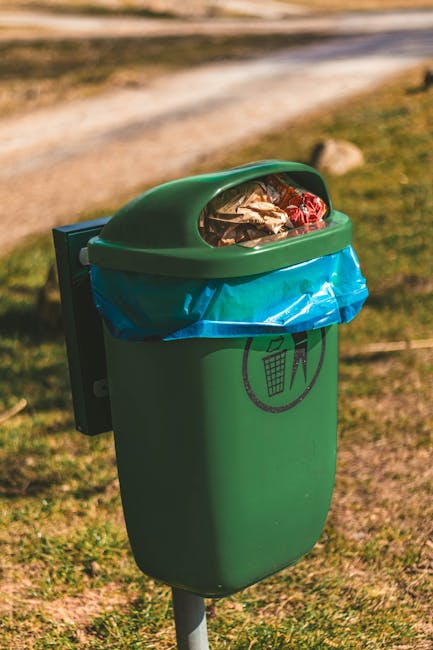
If your garden in TW9 has gone from "a bit untidy" to "where on earth do we start?", you are not alone. A proper Richmond upon Thames garden rubbish clearance guide TW9 should make the job feel manageable, not overwhelming. Whether you are dealing with pruned branches, old fence panels, soil bags, broken pots, or the messy aftermath of a full weekend reset, the goal is the same: clear it safely, dispose of it properly, and get your outdoor space back without turning it into a second project.
This guide walks through how garden rubbish clearance works in Richmond upon Thames, what to watch out for, what good service looks like, and how to avoid the common mistakes that cost time and money. You will also find a practical checklist, a comparison table, and a realistic example from a typical TW9 garden clearance situation. Nothing fluffy. Just the useful bits.
Why Richmond upon Thames garden rubbish clearance guide TW9 Matters
Garden waste sounds harmless, until it piles up. A few sacks of hedge cuttings quickly become a damp, awkward heap. Add soil, broken timber, old sleepers, tangled ivy, or the remains of a shed strip-out, and the job gets heavier, dirtier, and far less pleasant. In TW9, where gardens can range from compact terraces to larger family plots, a sensible clearance plan matters because access, parking, and storage space are often tighter than people expect.
There is also the practical side. Garden rubbish left too long can attract pests, make paths slippery, and turn routine maintenance into a bigger repair job later. Wet leaves clog drains. Rotting branches can stain paving. Bagged waste sitting under a lean-to can start smelling a bit earthy in the worst possible way. Let's face it, nobody wants to spend a Saturday lifting soggy green waste after it has already had a week to settle in.
From a local perspective, Richmond upon Thames households often want a solution that is tidy, quick, and considerate of neighbours. That usually means avoiding long skip hire when space is limited, or choosing a same-day or next-day collection when the garden needs to be usable again soon. If your clearance is part of a larger tidy-up, you might also find it useful to look at garden clearance as a broader service that can handle mixed outdoor waste in one visit.
Expert summary: Good garden rubbish clearance is not just about removing waste. It is about sorting the material correctly, protecting access, minimising disruption, and making sure nothing reusable or recyclable is thrown away unnecessarily.
How Richmond upon Thames garden rubbish clearance guide TW9 Works
In simple terms, garden rubbish clearance is the organised removal of outdoor waste from your property. That can include green waste, light mixed garden debris, and sometimes heavier items such as broken garden furniture, old plant pots, dismantled sheds, or rotted timber. The exact service depends on what is there and how much of it needs moving.
A typical clearance process usually follows a few straightforward stages:
- Assessment. You describe the waste, the access, and roughly how much there is. A decent provider will ask sensible questions rather than guess.
- Collection plan. The team works out whether the waste can be taken by hand, wheeled out, or needs special handling for bulkier or heavier materials.
- Loading and removal. The rubbish is removed from the garden, path, side return, garage, or outbuilding, with care taken not to damage paving, edging, or plants you want to keep.
- Sorting and disposal. Recyclable garden waste is separated where possible. Mixed waste is dealt with according to its type, weight, and condition.
- Final tidy-up. The cleared area is swept or left neat enough for the next step, whether that is replanting, jet washing, landscaping, or just enjoying a clean space.
If you are comparing services, it helps to know whether you need pure green waste removal or a broader waste collection. For mixed loads, a more general waste removal service can be more practical than trying to split everything into separate trips.
One thing people often underestimate is access. A tiny side gate, a steep path, or a garden at the back of a property can change the time required quite a lot. In a real TW9 job, a "small" clearance can become a 40-minute carry if every bag has to be moved by hand through a narrow passage. Not a disaster. Just something to plan for.
Key Benefits and Practical Advantages
There are the obvious benefits, of course: less mess, more space, and no need to stare at a heap of branches every time you open the back door. But the best reasons for booking garden rubbish clearance are often more practical than glamorous.
- Faster turnaround. What might take you a full day, or two annoying half-days, can often be completed in one visit.
- Less physical strain. Green waste is deceptively heavy once it is wet, compressed, or mixed with soil.
- Better sorting. Mixed garden waste can be separated from items that need different disposal routes.
- Cleaner outdoor space. Clear paths and borders make maintenance easier and reduce trip hazards.
- Better for projects. If you are laying turf, redesigning beds, or repairing fencing, a clear site simply works better.
- Less disruption. A properly planned clearance avoids endless trips to the tip, which is often where a "quick job" starts to eat the whole weekend.
There is also a trust factor that gets overlooked. A professional approach means you are not left wondering where the waste went, whether it was sorted responsibly, or whether your garden has been left worse than before. If sustainability matters to you, a provider that explains its approach clearly is worth paying attention to. Their recycling and sustainability information can be a useful indicator of how they handle recyclable materials and avoid unnecessary landfill use.
To be fair, not every job needs a big service. But when the waste is awkward, numerous, or time-sensitive, the convenience is hard to beat.
Who This Is For and When It Makes Sense
Garden rubbish clearance in TW9 is useful for a wide range of people, not just homeowners with overgrown borders. The real question is not "Do I have garden waste?" but "Is it worth handling this myself, or am I better off getting it removed properly?"
This guide is especially relevant if you are:
- clearing out a garden after seasonal pruning or a major tidy-up
- preparing a property for sale or rental
- dealing with the remains of storm damage or windblown branches
- removing waste after fencing, decking, or landscaping work
- sorting out a neglected garden that has become too much for one person
- managing outdoor waste from a flat, maisonette, or property with limited storage
It also makes sense for landlords, managing agents, and small businesses with outdoor spaces. A tidy garden or courtyard is often part of the first impression people get, and first impressions are funny things - they stick. If you are dealing with multiple areas at once, such as an overfilled shed plus old household items, it may be worth exploring related services like garage clearance or home clearance to keep the process efficient.
There is no single "right" time to book. A lot depends on urgency, volume, and access. But if the waste is stopping you from using the garden properly, that is usually a good sign it is time to act.
Step-by-Step Guidance
If you want the smoothest possible clearance, it helps to think like a planner for ten minutes before the work starts. Nothing dramatic. Just enough to avoid the annoying little surprises that make the day longer than it should be.
1. Separate the waste into simple groups
Start with broad categories: green waste, timber, soil, broken garden items, and anything that may need separate handling. A heap that looks chaotic from the patio usually becomes much easier once it is divided into groups. Even a basic split between "pure green waste" and "mixed stuff" makes a difference.
2. Identify any awkward or heavy items
Old compost bags, wet turf, chunky branches, concrete edging, and broken shed panels are the usual culprits. These items change the lifting and loading plan. If there is a lot of dense material, mention that early. That avoids guesswork and helps the team arrive prepared.
3. Check access to the garden
Ask yourself: can waste move straight out, or will it need carrying through the house, down side access, or along a narrow path? Clear access is a tiny thing that makes a huge difference. If there are tight turns, low gates, or delicate paving, mention them when arranging the job.
4. Remove what you want to keep
This sounds obvious, yet it is one of the most common oversights. Garden clearances often happen alongside pruning or landscaping, and it is easy to forget which pots, tools, ornaments, and planters you actually want to keep. Put them somewhere safe before the pile gets moved.
5. Get a clear quote and scope
A good quote should reflect the type of waste, the volume, the labour needed, and the access involved. If you are comparing options, look at pricing and quotes so you know what questions to ask and what details matter most.
6. Make sure the site is left tidy
After removal, a simple sweep and a quick look around the borders usually reveals any leftover fragments. It is a small detail, but it is the sort of detail people notice when they step back into the garden and finally breathe out.
One-line reality check: a neat plan beats a heroic last-minute scramble every time.
Expert Tips for Better Results
Most garden clearances run smoothly if the scope is clear and the waste is easy to access. But there are a few things that make the job noticeably better, especially in urban and suburban settings like Richmond upon Thames.
- Book before the pile gets wet. Once green waste has soaked up rain, it gets heavier and more awkward to move.
- Cut long branches down if practical. Shorter lengths load more efficiently and reduce snagging.
- Keep soil separate where possible. Soil is heavy. Very heavy. It changes the volume and the carrying effort fast.
- Put fragile items aside early. Broken terracotta and sharp timber edges are a nuisance during loading.
- Think about neighbours and access times. In a quiet street, avoiding early-morning noise can save everybody some irritation.
- Plan the next step before the clearance. If you are replanting, turfing, or pressure washing, having the garden ready helps the whole project flow.
There is another little trick: take a quick photo of the waste before it is touched. It is not about being fussy. It simply helps everyone agree what is included, which is surprisingly useful if the job expands halfway through because the old shed floor turns out to be more rotten than expected. Happens more often than people think.
If your garden waste is part of a larger property clearance, you may also want to combine it with house clearance or furniture disposal so you only deal with one organised collection rather than several smaller headaches.
Common Mistakes to Avoid
Most problems with garden rubbish clearance are not dramatic. They are the kind of small, avoidable mistakes that make the day slower, messier, or more expensive than necessary.
- Mixing everything together. Green waste, timber, soil, and general rubbish are not always handled the same way.
- Underestimating volume. A few "small" piles can become a surprisingly large load once bagged and stacked.
- Forgetting about access. A clearance looks simple until someone has to carry waste through the narrowest part of the property.
- Leaving hidden items in the pile. Shears, plant supports, broken ceramic, and old tools can get buried quickly.
- Waiting too long after cutting back growth. Fresh cuttings are manageable; compacted wet waste is a different story.
- Choosing on price alone. Cheap can be fine, but only if the scope, disposal method, and service standards are clear.
Another mistake is assuming all garden waste is "just garden waste." In reality, one pile may contain recyclable green waste, reusable materials, and heavier items that need separate attention. Sorting that properly matters. It saves time, and frankly it saves a lot of frustration later on.
Tools, Resources and Recommendations
You do not need a shed full of specialist kit to manage a garden clearance well, but a few basic tools help if you are preparing the space yourself before collection.
- Heavy-duty rubble sacks or garden waste bags for loose cuttings and leaves
- Gloves with decent grip to handle thorny branches, damp timber, and rough edges
- Secateurs or loppers for reducing branch size
- Tarpaulin or groundsheet for gathering waste in one place without damaging lawns or paving
- Wheelbarrow or garden trolley if access requires moving material in stages
- Broom and hand brush for the final sweep-up
For broader planning, a reliable provider should be able to explain how they handle safety, insurance, and payment. Those details sound boring until you need them. If you are checking credentials, the pages on insurance and safety and payment and security are good places to understand the basics of how a professional service should operate.
And if you care about how the waste is treated after collection, a clear sustainability policy is worth reading. Garden waste is often suitable for recycling or composting in some form, so disposal should not feel like a black box.
Law, Compliance, Standards, or Best Practice
Garden rubbish clearance sits in the world of everyday waste management, so the safest approach is to follow recognised UK waste-handling best practice. That means waste should be moved, stored, and disposed of responsibly, and any provider you use should be able to explain what happens to the rubbish after collection.
For homeowners, the main practical point is simple: do not assume waste can be dumped anywhere just because it is organic or "from the garden." Mixed waste still needs proper handling. Soil, timber, plastic pots, and treated materials may need different treatment paths. If you are unsure, ask before the collection day rather than after the pile is already on the drive.
For service providers, clear documentation, safe handling, suitable vehicles, and sensible sorting procedures are part of good practice. You do not need a legal lecture; you need assurance that the job will be done properly and that the waste will not become somebody else's problem later. That is the standard to look for.
It is also sensible to check that the company has visible policies on health and safety and responsible business conduct. Pages such as health and safety policy, modern slavery statement, and complaints procedure can give you a better feel for whether the operation is structured and accountable.
In short: ask clear questions, expect clear answers, and do not be shy about that. A good provider will not mind at all.
Options, Methods, or Comparison Table
There are several ways to deal with garden rubbish in Richmond upon Thames. The best choice depends on how much waste you have, how quickly it needs to go, and how much lifting you want to do yourself. Here is a practical comparison.
| Option | Best for | Pros | Cons |
|---|---|---|---|
| Self-hauling to a disposal site | Small loads, people with a vehicle and time | Low service cost, flexible timing | Time-consuming, lifting required, messy for mixed waste |
| Skip hire | Larger ongoing projects with enough space | Good for repeated loading over several days | Space restrictions, permit considerations, not ideal for narrow access |
| Professional garden clearance | Most domestic clearances, mixed or bulky waste | Fast, minimal effort, waste handled for you | Usually more expensive than doing it yourself |
| Combined clearance service | Gardens plus sheds, garages, or household overflow | Efficient for larger property clean-ups | Needs a well-described scope to avoid surprises |
For many TW9 households, professional clearance ends up being the sweet spot. It avoids the faff of multiple trips and suits properties where access is awkward. If the job extends beyond the garden, services like loft clearance or flat clearance can help if the wider property needs attention too.
Case Study or Real-World Example
Here is a realistic example. A TW9 homeowner had a medium-sized rear garden that had been left alone through a damp stretch of weather. The waste pile was a mix of hedge trimmings, a few bags of weeds, two broken plant stands, old timber from a small raised bed, and a couple of cracked pots. Nothing outrageous, but enough to make the patio feel cramped and the border impossible to work on.
The first mistake would have been trying to deal with it in one go by bagging everything together. The second would have been waiting until the material had soaked up another week of rain. Instead, the waste was grouped first: green cuttings, timber, and fragile broken items. Access through the side return was checked, and the narrowest point was cleared before collection. That tiny bit of prep saved time. Simple as that.
On the day, the waste moved out in stages, and the cleared area was left tidy enough for the homeowner to start replanting the following afternoon. The most noticeable thing, oddly enough, was not the size of the pile removed. It was the relief of seeing the whole patio again. A garden changes its character once the clutter goes. It feels larger, quieter, and a lot more usable.
That is usually what people want most, even if they do not say it out loud at first.
Practical Checklist
Use this checklist before your garden rubbish clearance day. It keeps the process calm and avoids those last-minute "oh no, we forgot that" moments.
- Separate green waste from mixed garden debris
- Set aside anything you want to keep
- Check side access, gate width, and carrying routes
- Break down branches or timber where practical
- Move fragile items away from the collection area
- Flag heavy items such as soil, sleepers, or concrete pieces
- Confirm whether the job includes bagging or only collection
- Ask how recyclable materials will be handled
- Make sure the driveway or access point is clear on the day
- Plan any follow-up work, like planting or jet washing, after the clearance
Quick reminder: the cleaner the handover, the smoother the collection. It really is that simple.
Conclusion
Richmond upon Thames garden rubbish clearance guide TW9 is really about getting a practical job done with as little stress as possible. When the waste is sorted properly, access is planned, and the right service is chosen, the whole process becomes much easier than most people expect. You do not need to turn it into a weekend of lifting, re-lifting, and asking yourself why you kept that old pile of edging boards in the first place.
For some gardens, a quick tidy is enough. For others, especially where the waste is mixed, bulky, or awkward to move, professional clearance is the cleaner and calmer option. Either way, the key is planning a little before the mess becomes a bigger problem. That small bit of effort pays off fast.
If you are ready to clear the space and want a straightforward, organised approach, now is the right time to take the next step.
Get a free quote today and see how much you can save.
And when the garden is finally open again, quiet and usable, that first cup of tea outside tends to taste a bit better. Funny how that works.
Frequently Asked Questions
What counts as garden rubbish in TW9?
Garden rubbish usually includes hedge trimmings, branches, grass cuttings, weeds, soil, old plant pots, broken fencing, timber offcuts, shed debris, and similar outdoor waste. If it came from the garden and is no longer useful, it probably falls into this category.
Can mixed garden waste be collected together?
Yes, mixed loads are often collected together, but the waste may need to be sorted later for proper disposal. Green waste, timber, and heavier materials like soil can affect handling, so it helps to describe the mix clearly in advance.
Is it better to use a skip or a garden clearance service?
That depends on the job. A skip can suit longer projects if you have the space, while a clearance service is usually better for mixed waste, limited access, or when you want the rubbish removed in one visit without lifting everything yourself.
How do I prepare my garden before clearance?
Separate waste into rough groups, remove anything you want to keep, clear the access route, and flag any especially heavy or awkward items. A little preparation makes the clearance quicker and easier for everyone involved.
What happens to the waste after collection?
That depends on the type of waste and how the service operates, but responsible providers will sort recyclable materials where possible and dispose of the rest through appropriate waste routes. If sustainability matters to you, ask about their process before booking.
Do I need to bag all the garden waste first?
Not always. Some services collect loose material as well as bagged waste. Bagging can help with smaller cuttings and leaves, but large branches, timber, and soil often need different handling. It is best to check what the team prefers.
Can you remove soil and turf as well?
Usually yes, but soil and turf are much heavier than light green waste, so they may affect the quote and the time needed for loading. Mention them early so there are no surprises on collection day.
What if my garden is hard to access?
Restricted access is common, especially in London properties. Narrow side passages, steps, and back-garden access can all be managed, but the provider needs to know in advance so they can plan labour and equipment properly.
Is garden rubbish clearance suitable for landlords or letting agents?
Yes, very much so. It is useful after tenant moves, between lets, or when a property needs a quick reset before viewings. It can also be combined with other clearance work if the garden is only one part of the job.
How much does garden rubbish clearance cost?
Costs vary based on waste volume, type, weight, access, and how much labour is involved. A clear description of the job usually leads to a more accurate quote, which is why detailed pricing pages and written estimates are worth checking.
Can garden clearance be combined with other clearances?
Yes, and often it is more efficient that way. If you are also clearing a garage, loft, or part of the house, combining services may save time and reduce disruption. It is worth discussing the full scope before the collection date.
How do I know a provider is trustworthy?
Look for clear communication, transparent pricing, sensible questions about access and waste type, and visible policies around safety, insurance, and complaints. A trustworthy provider should make the process feel organised rather than vague or rushed.