Garden Clearance Richmond Upon Thames: Recycling and Sustainability Commitment
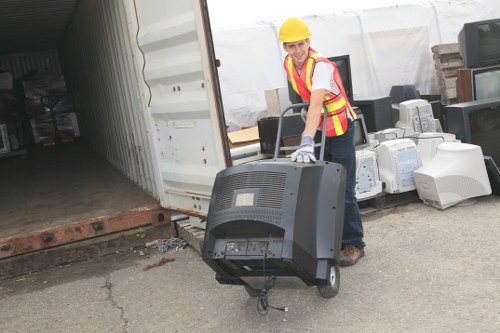 Our approach to Garden Clearance Richmond Upon Thames balances practical garden rubbish removal with an ambitious eco-friendly waste disposal strategy. We work across the borough to ensure that garden clearance in Richmond and surrounding areas follows the highest environmental standards, keeping soil, vegetation and recyclable materials out of general landfill. By combining careful sorting on-site, targeted reuse and coordinated drop-offs at local facilities, we aim to make every clearance a step toward a greener Richmond upon Thames.
Recycling percentage target and measurable goals
We have set a clear recycling percentage target of 70% for garden and green waste collected through our services. This target is a company commitment to exceed typical municipal targets for bulky and garden waste and to reduce the carbon intensity of garden rubbish area management across the borough. Our goal covers compostable green waste, wood and timber suited for chipping, metals and salvageable items that can be redirected to reuse streams rather than incineration.
 To reach that 70% target we use a mix of on-site segregation and partnership delivery. The borough's approach to waste separation supports this work: household and commercial clearances are sorted into food, garden and mixed recyclable streams where possible, and we align our sorting to local kerbside separation standards to ensure compatibility with council processing plants.
Local transfer stations, recycling centres and hubs
We regularly transfer materials to nearby facilities that accept separated loads. Key local transfer stations and recycling hubs we use include:- Richmond transfer points and civic amenity sites that handle green waste and bulky items
- Neighbouring borough recycling centres with wood chipping and composting capacity
- Specialist salvage depots that take reusable garden furniture, metalwork and paving
 Our work is coordinated so that garden clearance in Richmond upon Thames complements borough programmes: green bins and food caddies are respected when present, and any separated timber, brash or soil is delivered to centres equipped to turn them into compost, mulch or reclaimed building materials. The emphasis is on creating a circular local economy for garden waste.
We maintain documented transfer records for loads, helping monitor progress toward our targets and providing transparency about where material is sent. This accountability is central to demonstrating the environmental benefit of each clearance.
Partnerships with charities and community reuse projects are a core part of our sustainable clearance model. We work with local reuse charities, community gardens and social enterprises to divert items that still have life, such as planters, timber sleepers, garden furniture and tools. Typical partnership channels include:
- Community garden projects that accept soil, compost and planting materials
- Social enterprises that refurbish and resell garden furniture and tools
- Charities that find new homes for usable outdoor items, reducing demand for new goods
These collaborations strengthen local circularity while supporting community initiatives and reducing landfill dependency.
 Low-carbon vans and greener transport are integral to reducing the environmental impact of garden clearance across Richmond and nearby boroughs. Our fleet includes hybrid and electric vans where practical, and all routes are planned with load consolidation and GPS-enabled route optimisation to cut fuel use and emissions. We also track miles, idling and fuel type so we continually improve the carbon performance of our operations.
 In addition to vehicle emission reductions, we prioritise low-impact practices on-site: minimal use of powered chippers when hand-processing is viable, avoiding single-use plastics in containment, and favouring biodegradable bags for green waste where local transfer stations accept them. These small choices compound into meaningful carbon savings over time.
The types of recycling activity most relevant to the borough include composting of garden arisings, wood chipping for landscape use, metal reclamation from fencing and fixtures, and reuse of intact paving or stone. By sorting materials at the point of clearance and matching them to the right facility, we increase the proportion of waste that re-enters productive use. Example outcomes we target are:
- Compost and mulch from green arisings for local parks and allotments
- Reclaimed timber used for community planters and benches
- Salvaged stone and paving offered to reuse networks
These results help create a sustainable rubbish area model that benefits both the environment and local communities.
Our sustainability reporting is designed to be clear and action-focused: we measure diversion rates, monitor where loads are processed, and review the effectiveness of charity partnerships and van decarbonisation programs. Continuous improvement is embedded in our operational planning so that each clearance contributes to long-term reductions in waste and emissions.
Garden Clearance Richmond Upon Thames is committed to transforming how garden waste is handled in the borough and beyond. By combining a 70% recycling percentage target, strategic use of transfer stations, strong charity and community partnerships, and a low-carbon fleet approach, we deliver an eco-friendly waste disposal and sustainable rubbish area solution that's practical, verifiable and community minded. Our aim is not just to clear gardens, but to return materials back into the local economy and create greener neighbourhoods across Richmond upon Thames.