Garden Clearance in Richmond upon Thames

Garden clearance in Richmond upon Thames is about restoring outdoor space to a clean, workable condition by removing green waste, cuttings, broken garden materials and other unwanted items from domestic and commercial plots. It can support everything from a one-off seasonal tidy to a more involved clear-out before landscaping, replanting or wider outdoor improvements. Our approach is practical and careful, with the aim of leaving the space ready for the next stage rather than simply taking items away.
We handle clearance work for front gardens, rear gardens, side returns, communal outdoor areas and overgrown sections where access may be awkward or the amount of material has built up over time. Typical jobs may include hedge trimmings, branches, leaves, turf, plant waste, pots, broken trellis, old compost bags, garden furniture that has reached the end of its use, and mixed outdoor rubbish that no longer belongs in the space. Clean, orderly removal makes it easier to see what remains and what can be kept.
If you are planning a tidy-up, a redesign or a complete outdoor reset, the service can be shaped around the items you want removed and the space available. You can start by listing the main materials that need taking away, then decide whether you want a light clearance, a fuller cut-back or a mixed removal that covers both green waste and garden clutter. For an accurate quotation, send the details when you are ready.
What our garden clearance covers
Our garden clearance work focuses on removing the material that prevents the space from being used properly. That may mean lifting and loading loose waste, gathering cuttings after pruning, bagging smaller debris or clearing bulky objects that have been left outside. The service is suited to gardens that need a reset after months of neglect, as well as outdoor areas that are simply cluttered and need a tidier finish before further work takes place.
We can deal with a broad range of outdoor items, but the most useful results come when the work is matched to the layout and the condition of the garden. A clearance may be limited to organic waste, or it may include mixed materials such as planters, children’s outdoor items, damaged storage, broken fencing sections and general garden rubbish. If you are unsure what belongs in scope, a brief list is usually enough to help define the job. Garden clearance can therefore be set out clearly before collection begins.
In many cases, the aim is not only removal but also making the space easier to manage afterwards. That can involve stripping away overgrowth, separating reusable items from disposal material and leaving walkways or access points freer than before. When the garden is being prepared for new planting or surface work, the task may need a little more planning so that waste is taken away without disturbing features that are staying in place. Tell us what should remain and what can go.
Green waste and organic material
Green waste is often the largest part of a garden clearance. This can include grass cuttings, hedge trimmings, prunings, weeds, roots, leaves, old plants and soil-contaminated material that is no longer wanted in the garden. Removing these items efficiently helps reduce the sense of neglect and creates a cleaner base for future upkeep. It also keeps the job focused on the material that is genuinely part of the outdoor clear-out rather than general household rubbish.
Organic waste is usually best handled as a grouped load, especially after a season of heavy growth or after a substantial trim. Branches may need bundling, thorny material may need careful handling and loose cuttings may need gathering before removal. Where the garden contains mixed borders, raised beds or shrubs that are being thinned rather than replaced, the clearance can be directed to the offcuts and surplus material only. That keeps the work precise and avoids unnecessary disturbance.
Recycling and sustainability is relevant when you want to understand how waste streams are separated and what happens to the material once it leaves the site. Garden clearances often involve more than one type of waste, so sorting can make a real difference to how the job is managed. A clear description of the contents helps us plan the removal sensibly and choose the right approach for the load.
Bulky outdoor items and mixed garden rubbish
Items that often need careful lifting
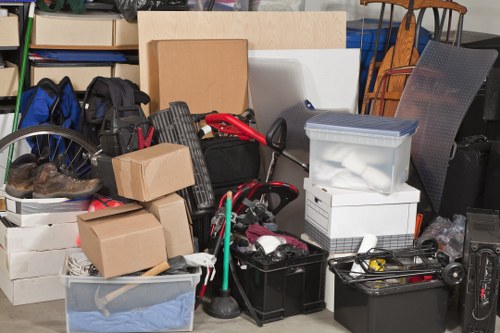
Not every garden clearance is about plants and cuttings. Many jobs also include bulky items that have been left outside for convenience or have simply reached the end of their life. Examples can include broken patio furniture, old parasols, damaged storage boxes, faded planters, dismantled play equipment, cracked pots and miscellaneous items gathered in sheds, corners or under covers. These objects can make an outdoor area feel cramped even when the green waste has already been cut back.
Mixed garden rubbish may also contain items that do not sit neatly in one category, such as old hosepipe, plant packaging, disused ornaments, ripped sacks, broken edging and small offcuts from previous maintenance work. A tidy clearance often depends on separating what is obviously garden waste from what needs different handling. The better the overview of the space, the more efficiently the removal can be planned. If access is narrow or the items are stacked in layers, that should be mentioned at the quoting stage.
Useful preparation is simple: identify which items are staying, which are going, and whether any pieces need to be left accessible until the load is removed. Photos, a brief inventory and a note about steps, gates or shared access are usually enough to support an accurate quotation. Pricing and quotes explains the kind of information that helps shape a fair estimate for the work.
Front gardens, rear gardens and side returns
Different parts of a property often need different clearance treatment. Front gardens may require quicker access and a neat finish because they are visible from the street, while rear gardens may hold a larger build-up of waste or more awkwardly placed items. Side returns can be narrow and may contain a surprising amount of accumulated debris, especially where bins, bikes, planters or storage have been kept for convenience. We can adapt the removal to the layout rather than treating every garden as the same.
Where space is limited, the order of the work matters. Larger items may need to come out first, followed by loose waste and smaller material that has gathered behind them. In more open gardens, the job may be simpler, but a careful sweep through borders, corners and behind outbuildings can still reveal hidden waste. If there is a section that should be preserved for reuse or a path that must stay open, that can be taken into account while the work is carried out. Home clearance may also be relevant when a garden job forms part of a wider property clear-out.
For customers who want the outdoor space to look more orderly straight after the removal, we can focus on removing visible clutter as well as the less obvious waste collected near sheds, fences and planting areas. The aim is to leave the boundary lines, access routes and usable open areas easier to see, which often makes the next round of gardening or maintenance more manageable.
Preparing the quotation

A quotation for garden clearance is usually easiest to prepare when the main details are clear from the outset. The size of the area, the type of waste, the level of overgrowth and the ease of access all influence the amount of work involved. Two gardens with similar-looking clutter can still require different handling if one has easy access and the other involves narrow passages, steps or several separate loading points.
It helps to say whether the garden contains only green waste or a mixture of green waste and other items. You can also mention whether anything heavy needs moving, whether the waste is already bagged, and whether the clearance is a one-off or part of an ongoing project. If the job is attached to pruning, repair work or landscaping, note what is happening before or after the removal. That makes it easier to agree a sensible scope without padding the estimate with guesswork. Contact us when you are ready to request a quotation.
The strongest quotations usually come from straightforward information, not complicated explanations. A few photographs, a short list of contents and a note about access are often enough to show what needs removing. If the garden includes multiple areas, such as a lawn, patio, side access and shed frontage, describe which parts are involved so the task can be set out clearly. That keeps the conversation focused on the actual clearance work rather than on avoidable back-and-forth.
Access, timing and site conditions
Garden clearance can be affected by how easily the waste can be reached and loaded. Narrow gates, steep steps, limited parking or shared passageways may require a slower pace or a different loading plan. Wet ground, uneven paving and dense planting can also affect how the work is approached. These are practical considerations rather than obstacles, but they do need to be understood before the job is arranged so the clearance can be completed safely and efficiently.
The condition of the site matters because not all waste sits in a neat pile. Some material may be spread across the garden, hidden in borders or mixed with items that should stay in place. In those cases, a careful sort is often better than a rushed removal. If a garden has not been maintained for some time, the task may involve uncovering what is underneath the top layer of waste before the full scope becomes clear. That is another reason why an accurate description at the outset is helpful.
Insurance and safety is a useful page to review where you want to understand the approach to managing work responsibly. Outdoor clearance often means dealing with awkward shapes, damp surfaces and heavier material, so sensible handling and clear planning matter. When you send details for a quote, a simple note about access and any special conditions helps us match the work to the space.
Garden clearance before landscaping or replanting
Many people arrange a garden clearance because they want to move on to a new phase of outdoor work. That may be fresh planting, lawn repair, hard landscaping or a complete redesign. In those situations, the clearance needs to do more than empty the space; it needs to leave the ground and surrounding areas ready for the next contractor, gardener or homeowner task. We can focus on removing the waste that gets in the way of that next stage.
This often means being specific about what should stay. Mature shrubs, existing sleepers, features you intend to retain and any reusable materials should be identified before removal starts. If the job is being done ahead of paving, turfing or border work, the clearance may need to include old edging, unwanted compost, damaged pots or leftover building-related debris from previous garden projects. Clear boundaries between what stays and what goes help keep the job efficient and avoid confusion later.
Once the garden is stripped back to the intended scope, it becomes easier to assess what still needs attention. You may choose a light tidy or a fuller removal depending on the next stage of work. For some customers the aim is simple tidiness; for others it is creating a properly workable starting point. Either way, the clearance should support the next decision rather than creating more sorting afterwards.
About Richmond upon Thames
Richmond upon Thames is a London borough in the southwest of the capital, known for a landscape shaped by the River Thames, historic parkland and a series of distinctive town centres. The river is central to its identity, and stretches such as Richmond Hill, the riverside at Richmond, and the towpath landscape around Ham and Teddington contribute to the borough’s strong sense of place. Richmond Park, created in the seventeenth century and now one of London’s largest Royal Parks, forms a major green expanse within the area and is well known for its deer, open heath and broad views. Nearby, Kew Gardens adds another layer of landscape and heritage, with its celebrated glasshouses and botanical collections forming a globally recognised site. The borough also includes places with long settlement histories and varied architecture, from Georgian terraces and Victorian streets to twentieth-century housing and modern public buildings. Richmond Green remains a notable open space beside the town centre, while the riverside paths, embankments and bridges connect different parts of the borough physically and visually. The area’s cultural life is supported by theatres, independent shops, museums and sports grounds, giving it a mix of urban activity and open greenery. That combination of waterways, parkland and built heritage is what gives Richmond upon Thames its distinctive character within London, with the river and the parks continuing to shape how people move through and experience the borough.
Other clearance work we can handle

Garden clearance is closely related to other types of domestic and commercial removal, and some projects involve more than one room, store or outdoor area. If the garden work forms part of a broader property tidy-up, it can be sensible to think about adjoining spaces at the same time. That may include sheds, garages, lofts or interior areas that contain items no longer needed, especially when the aim is to simplify the property as a whole rather than tackle one section in isolation.
Garage clearance is often relevant where garden equipment, old storage, broken tools or dismantled outdoor furniture have been left under cover. Garages can become staging areas for items that were meant to be sorted later, which makes them a natural companion to garden work. Bringing the outdoor and storage areas into the same plan can save time when you want the property reset in a more complete way.
Some customers prefer to separate each type of clearance, while others want a joined-up approach that deals with the main clutter in one schedule. Both can work well, but the right method depends on access, amount and how the items are distributed. A brief overview of the whole site helps decide whether the garden should be treated on its own or as one part of a larger clear-out project.
Choosing the right level of clearance
Not every garden job needs a full strip-out. In some cases, a partial clearance is enough to get the space back under control. That might mean taking away a stack of branches, clearing a neglected corner, removing old outdoor items or dealing with a single run of overgrowth. In other cases, a deeper clearance is more suitable because the waste is spread throughout the space and the garden needs a genuine reset.
Choosing the right level is mainly about matching the work to the condition of the garden and the purpose of the removal. If you are preparing for inspection, sale, planting, repair or a family event, the standard of finish you need may be quite different. Some jobs are focused on access and visibility, while others are about returning the whole area to a manageable state. A good quotation should reflect that difference rather than forcing every job into the same pattern.
If you are unsure how much work is needed, start with the obvious waste and note the items that are only partly visible. That gives a clearer picture of the true scope and avoids underestimating the task. You can then decide whether the clearance should stop at the main clutter or extend to a fuller tidy of borders, paths and secondary storage areas. Waste removal may be useful if the job extends beyond garden material into a broader mixed load.
Requesting a quotation for your garden clearance
When you are ready to arrange garden clearance in Richmond upon Thames, the quickest route to a useful quotation is to set out the space, the waste and the access as clearly as you can. A short description of the garden, a rough idea of quantity and a note on whether the material is mostly green waste or mixed items will usually give enough context to begin. If there are any parts of the garden that need extra care, say so at the same time.
The more precise the scope, the easier it is to keep the service focused on what matters to you. That may mean a compact clearance after a hedge cut, a fuller removal after months of build-up or a project linked to wider outdoor improvements. We will work with the details you provide and shape the removal around the task in hand, whether the priority is tidiness, access or preparing the site for something new.
If you want to move forward, send the key details and ask for a quotation. If you prefer, use this page as your starting point and then tell us which areas, items and outdoor features are included. Request a quotation here.