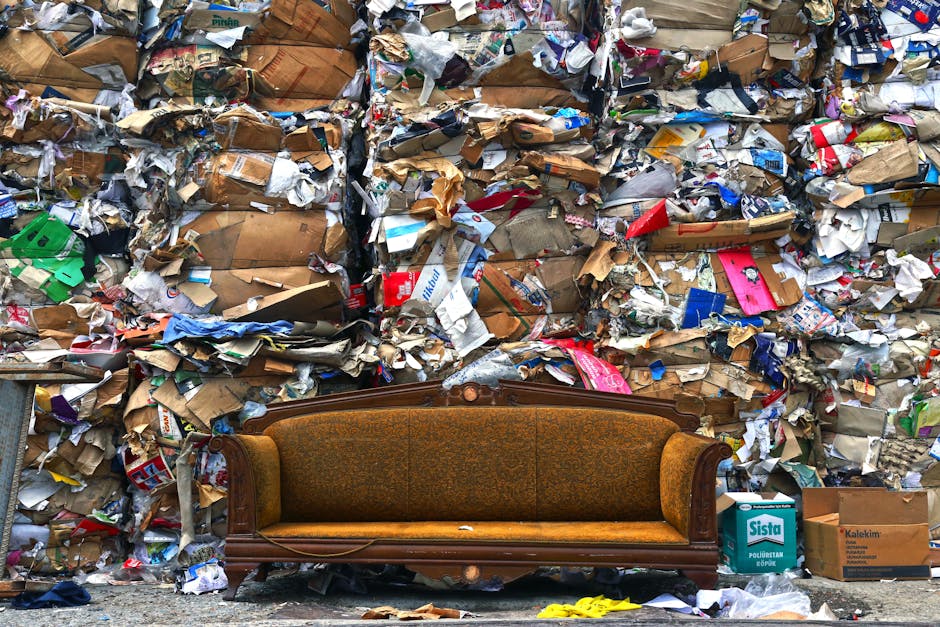
What to know about Richmond Council bulky waste rules
If you are trying to clear a sofa, mattress, wardrobe, broken appliance, or a pile of awkward household clutter, Richmond Council bulky waste rules can feel a bit more confusing than they should. One minute you are just trying to get a tired bed frame out of the hallway; the next you are wondering what counts as bulky waste, what the council will take, and whether you need a different route altogether.
Truth be told, that uncertainty is normal. Bulky waste is one of those everyday issues that sounds simple until you are standing in front of a garage full of stuff and realising not everything belongs in the same pile. This guide walks you through the practical side of the rules, the usual pitfalls, and the smartest way to plan a collection without unnecessary stress.
Along the way, we will also look at when council collection makes sense, when private clearance is the better fit, and how to avoid the classic last-minute rush. If you want a broader look at removal options, our waste removal service and furniture clearance pages may help you compare the practical choices.
Table of Contents
- Why Richmond Council bulky waste rules matter
- How bulky waste collection works
- Key benefits and practical advantages
- Who this is for and when it makes sense
- Step-by-step guidance
- Expert tips for better results
- Common mistakes to avoid
- Tools, resources and recommendations
- Law, compliance, standards and best practice
- Options, methods and comparison table
- Case study or real-world example
- Practical checklist
- Conclusion
- Frequently asked questions
Why Richmond Council bulky waste rules matter
Bulky waste rules matter because they decide whether your items can be collected, how they should be presented, and what kind of service is actually appropriate. That sounds dry, but it saves real hassle. A mattress left at the kerb on the wrong day, or a fridge dumped where it should not be, can turn into an avoidable problem very quickly.
For many households, bulky waste is not a one-off inconvenience. It comes up during a move, after a renovation, when a tenancy ends, or when you finally tackle the loft after years of "I'll deal with that later." And let's face it, bulky items are usually the hardest things to move safely. They are awkward, heavy, and often need two people, a van, and a bit of judgement.
The rules also matter because councils generally work within clear operational limits. Items may need to be separated, booked in advance, placed in a particular spot, or prepared in a certain way. If you do not check those details first, you can end up with a missed collection or extra delay. That is annoying on any day, but especially when you have a hallway full of furniture and the estate agent is due tomorrow morning.
Expert summary: The smartest approach is to treat bulky waste as a planned task, not a "stick it outside and hope" job. Check what the council classifies as bulky, confirm any item restrictions, and decide early whether council collection or private clearance is more practical.
If your clear-out is wider than a single bulky item, it can also help to look at related services such as house clearance, home clearance, or flat clearance. Sometimes the "bulky waste" label is really just the start of a bigger clear-out.
How Richmond Council bulky waste rules work
In practical terms, bulky waste collection is designed for large household items that are too big for regular bins or standard refuse rounds. Think of furniture, white goods, large carpets, and similar items. The exact list can vary, so the safest rule is simple: do not assume. Confirm before you book.
Most council-style bulky waste services work on a booking basis. You choose the items, the collection date, and the pickup instructions. You may need to place items outside in an accessible spot by a certain time, and you may be told to keep them separate from general rubbish. That part is important. Mixing items together can slow the collection or lead to refusal.
Some items are commonly treated with extra care because of contamination, safety, or recycling concerns. Mattresses, fridges, freezers, and electrical items often need specific handling. Paint tins, gas bottles, oils, batteries, and hazardous waste usually do not belong in ordinary bulky waste. If one of your items seems a bit "odd" or risky, pause and check. It is better to ask than to guess.
Here is the practical takeaway: bulky waste rules are not just about size. They are also about type, condition, access, and whether the item can be handled safely by the collection team. If a sofa is soaked, infested, broken beyond lifting, or stacked under other items, that can change how it must be dealt with.
Private collection options can be more flexible for mixed loads. If you are clearing several rooms, have items in a loft, or need labour to move things from inside the property, a service such as garage clearance or loft clearance may be more suitable than a single-item council pickup.
What usually counts as bulky waste?
- Old sofas, armchairs and dining chairs
- Beds, mattresses and bed frames
- Wardrobes, cabinets, drawers and tables
- Some large electrical items, depending on the service rules
- Carpets or underlay, if accepted and properly prepared
What usually needs special handling?
- Fridges and freezers
- Televisions and monitors
- Batteries and electrical components
- Paint, chemicals and liquids
- Asbestos or other hazardous materials
Key benefits and practical advantages
When you use the bulky waste route properly, there are some clear advantages. First, it removes guesswork. Instead of keeping an old wardrobe in the spare room for another six months because "it might be useful someday", you can actually move the job forward.
Second, it creates space quickly. That sounds obvious, but the emotional effect is real. A cluttered room feels smaller, heavier somehow. Once the bulky items go, the room breathes again. You notice the light, the floor space, the possibility of using it properly.
Third, it can help you sort items responsibly. Many people would rather know a sofa or mattress is being handled through an organised route than drag it to the tip on a rainy Saturday with the boot half-open and the fabric catching every bit of mud. Not glamorous, but very real.
There is also a decision-making benefit. Once you understand the rules, you can compare council collection with a private clearance in a sensible way. For example, a single item may fit a council service neatly. A full garage, a house move, or mixed waste from a renovation probably does not. That distinction saves time and sometimes money too.
For example, if you are already planning to clear out old furniture alongside general household clutter, it may make more sense to use furniture disposal or a broader house clearance rather than trying to split everything into separate jobs.
Who this is for and when it makes sense
Richmond Council bulky waste rules are useful for anyone disposing of large domestic items, but they are especially helpful in a few common situations.
- People replacing furniture after a move or refurbishment
- Landlords clearing items left behind at the end of a tenancy
- Homeowners dealing with one-off large items
- Families sorting out a loft, garage or spare room
- Anyone trying to avoid illegal dumping or unsafe kerbside placement
If you only have one or two qualifying items and you are happy to handle the preparation yourself, the council route can be a tidy solution. If the items are spread across the property, need carrying downstairs, or are part of a bigger clear-out, a private collection may be the calmer option. No drama. Just practical judgement.
This is also relevant for business owners and property managers who need to think carefully about waste responsibilities. While bulky waste rules are often discussed in a household context, the wider principle is the same: understand what you have, sort it correctly, and use the right disposal route. Our business waste removal and office clearance pages may be useful if you are dealing with mixed premises waste rather than home furniture.
Step-by-step guidance
If you want to handle bulky waste cleanly and with fewer surprises, follow a simple process. It is not complicated, but doing it in the right order matters.
- List every item you want removed. Write them down properly. A sofa is not just "a sofa"; a sofa-bed, recliner, or broken armchair may be treated differently.
- Check what is accepted. Separate standard bulky household items from anything hazardous, electrical, or contaminated.
- Measure awkward items. Doorways, stairwells, and lifts matter if items need moving from inside the property.
- Decide whether council or private collection fits best. A small number of items may suit a council service. A larger, more complex job may not.
- Prepare the items. Remove contents, detach loose parts, and keep items accessible. If asked to place them outside, do that neatly and safely.
- Book with enough lead time. Last-minute clear-outs always feel more expensive in stress if not in money.
- Keep a record. Save confirmation details, especially if you are leaving a property or managing a tenancy.
One small but useful habit: take photos before and after. It takes ten seconds and can save arguments later. That is especially handy for landlords, property managers, and anyone dealing with a shared building entrance.
If your job is more than a simple pickup, you may want support with staging, labour, or lifting. In those cases, a service like home clearance or furniture clearance can be easier than trying to wrestle everything to the kerb yourself. Your back will thank you, frankly.
Expert tips for better results
A few small decisions can make a bulky waste job much smoother. These are the things people often skip, then regret at 7:30 the next morning when the collection window has already started.
- Separate breakables from heavy items. It reduces damage and makes handling easier.
- Keep pathways clear. Hallways, stairwells and entrances should be free of trip hazards.
- Break down what you can safely dismantle. A wardrobe in flat-pack form is easier to move than a whole one.
- Check weather conditions. Rain can make cardboard, upholstery and wooden items harder to handle.
- Use protective gloves and closed shoes. Cheap, sensible, and worth it.
A slightly less obvious tip: plan for the hidden waste. Once the old sofa goes, you often find cushions, screws, receipts, dead batteries, or random bits that have been living behind it for years. Funny how that happens. So, keep a bag ready for the small stuff.
When a clear-out becomes more than one-off bulky waste, think in zones. Kitchen. Lounge. Loft. Garage. Office. Garden. Working room by room keeps the task manageable and stops you from creating a bigger mess in the process. If outdoor clutter is part of the picture, our garden clearance page may be a useful next step.
Common mistakes to avoid
Most bulky waste problems are preventable. The same few mistakes come up again and again, and they usually happen because people are in a rush.
- Leaving items out without checking the rules. Not every object is suitable for collection, and not every collection happens the same way.
- Mixing bulky waste with general rubbish. That can create confusion and delays.
- Forgetting about access. Narrow stairs, locked gates, and parked cars can turn a simple job into a frustrating one.
- Assuming electrical items are treated like furniture. They often are not.
- Waiting until the last minute. It is the oldest mistake in the book, and still the most common.
Another one worth mentioning: underestimating how much you actually have. A single wardrobe can become three items once it is emptied and dismantled. A "few bits in the garage" can turn into a full van load. Happens all the time.
If you are dealing with mixed waste after a renovation or repair, do not force everything into a bulky waste box. Look at a more suitable route such as builders waste clearance if you have rubble, timber, plasterboard or packaging alongside the bulky items.
Tools, resources and recommendations
You do not need specialist equipment for most bulky waste jobs, but a few simple tools help a lot. A tape measure, gloves, a marker pen, a sturdy sack for loose bits, and a basic screwdriver set can make dismantling easier than you might expect.
For planning, the most useful resources are the collection notes you receive, your item list, and clear photos of access points. If you are comparing disposal routes, read any service notes carefully and pay attention to item restrictions. That is where the real differences usually sit, not in the headline wording.
For anyone wanting a cleaner, more organised process, it is also worth thinking about payment, safety, and recycling upfront. A responsible disposal plan is not just about getting rid of things. It is about doing so safely, transparently, and with the least waste possible. Our recycling and sustainability page explains the broader approach we take to sorting and reuse, which many readers find reassuring.
If cost is part of your decision, the pricing and quotes page is a useful place to compare the structure of a private service against the limitations of a council collection. And if you want to know more about who you are dealing with, our about us page gives a better sense of how we work.
Law, compliance, standards and best practice
Bulky waste handling sits inside a wider framework of UK waste practice. You do not need to become a legal expert to dispose of a sofa, but it does help to understand the basic standards. In plain English, waste should be handled safely, kept out of public danger, and sent through a legitimate route.
For householders, the main point is to avoid fly-tipping, unsafe storage, and leaving items where they could block pavements or create hazards. For landlords, letting agents, and businesses, the duty of care is more visible: you need to make sure waste is passed to a proper carrier and handled responsibly. That is why keeping records matters. Not glamorous, but useful.
Best practice also includes separating reusable items from waste where possible. A perfectly serviceable chest of drawers should not be treated the same way as a broken particleboard cabinet collapsing at the back. If an item can be reused, donated, or repaired safely, that is often the better option. If not, then proper disposal is the next sensible step.
We also recommend being careful with items that could contain hidden risks, such as batteries, gas fittings, or contaminated materials. When in doubt, stop and check. That small pause can prevent a much larger problem.
Options, methods and comparison table
There are usually three practical routes: council bulky waste collection, private clearance, or self-haul to a disposal facility. The right choice depends on volume, urgency, access, and how much lifting you want to do yourself.
| Option | Best for | Advantages | Drawbacks |
|---|---|---|---|
| Council bulky waste collection | One-off household items | Simple for small jobs, familiar process | May have item restrictions, booking delays, and access limits |
| Private clearance | Mixed loads, multiple rooms, urgent jobs | Flexible, labour included, often faster | Cost varies by load size and access |
| Self-haul | People with transport and time | Direct control, useful for small volumes | Heavy lifting, vehicle access, time-consuming |
For a single mattress or one spare chair, a council collection may be perfectly fine. For a full flat clearance or a cluttered garage after years of storage, private help is usually more realistic. No prizes for making it harder than it needs to be.
If you are leaning toward a more hands-on support route, our garage clearance and loft clearance services show how a broader clearance can be managed from start to finish.
Case study or real-world example
Picture a family in Richmond dealing with a weekend loft sort-out. There is an old sofa bed, a broken wardrobe, two mattresses, a pile of boxed toys, and a stack of random household bits that have somehow lived under the eaves for years. At first, they assume bulky waste collection will cover everything.
Once they start separating the load, the picture changes. The furniture clearly fits the bulky category, but the loose contents, mixed cardboard, broken storage boxes, and a few electrical bits need different handling. One item is too awkward to move safely down the stairs without dismantling. Another is simply too big to leave on the kerb without causing an access issue.
So they split the job. The bulky items are arranged for proper collection, the small waste is bagged separately, and the awkward furniture is dismantled before pickup. The result is calmer, cleaner, and much less stressful than trying to shove everything into one rushed pile at the last minute.
That is the real lesson. Bulky waste rules are not there to make life difficult. They exist to make the job manageable, safe, and more likely to be handled correctly. Once you understand that, the process starts feeling much less mysterious.
Practical checklist
Use this before you book or place anything outside.
- Have I listed every item that needs removing?
- Have I checked which items are accepted and which need special handling?
- Are any items hazardous, electrical, contaminated, or likely to be refused?
- Can the items be moved safely through the property?
- Do I need to dismantle anything first?
- Have I measured access routes and checked for obstacles?
- Have I chosen the most practical option for the volume I have?
- Do I know the collection time and presentation instructions?
- Have I kept anything reusable aside?
- Am I ready with gloves, tools, and a clear path?
One line that saves time: if the job feels bigger than a simple pickup, it probably is. Trust that instinct.
Conclusion
What to know about Richmond Council bulky waste rules comes down to a few simple things: check what is accepted, prepare items properly, keep access clear, and choose the disposal route that matches the size of the job. Small, straightforward items may suit council collection. Bigger, mixed, or time-sensitive clear-outs often need a more flexible solution.
Once you understand the rules, the whole process becomes much less of a headache. You can plan properly, avoid refusals, and get the space back without that last-minute scramble we all know too well. And honestly, there is a lot to be said for a clear room and a quieter head.
If you are ready to clear bulky items and want a straightforward, respectful service, start with a quick look at our options and choose the route that fits your situation best. A tidy outcome is closer than it looks.
Get a free quote today and see how much you can save.
Frequently Asked Questions
What counts as bulky waste in Richmond Council collections?
Bulky waste usually means large household items that are too big for normal bins, such as furniture, mattresses, and some white goods. The exact list can vary, so it is always wise to check item-by-item before booking.
Can I leave bulky waste outside the night before collection?
Not always. Some collections have strict instructions about when and where items should be placed. Leaving items out too early can create a nuisance or block access, so follow the booking notes carefully.
Will the council take old sofas and mattresses?
Often yes, but preparation and item condition matter. Mattresses, sofa beds, and upholstered furniture may have specific requirements, so confirm the service details before assuming they are included.
What items are usually refused by bulky waste services?
Hazardous items, liquids, paint, gas bottles, asbestos, and certain contaminated materials are commonly refused. Some electrical items also need special handling. When in doubt, do not mix them into the bulk load.
Do I need to dismantle furniture before collection?
Not always, but dismantling can make access easier and reduce the chance of refusal. If an item is too large to move safely from the property, taking it apart is often the best move.
Is a private clearance better than council bulky waste collection?
It depends on the job. Council collections are often fine for a small number of items. Private clearance tends to be better for mixed loads, urgent removals, or jobs that need labour inside the property.
What should I do with reusable furniture?
If an item is still in usable condition, consider reuse or separate furniture disposal rather than sending it straight out as waste. Keeping reusable items out of the waste stream is usually the better choice.
How do I avoid delays with bulky waste removal?
Make a proper item list, check access, separate restricted waste, and book early. Most delays happen because one part of the job was assumed rather than checked.
Can bulky waste collection include items from a loft or garage?
Sometimes, but the collection team may only remove items that are clearly accessible. If items need carrying down stairs or moved through tight spaces, a fuller clearance service is often more suitable.
What if I have a full property clear-out, not just bulky waste?
Then you are probably looking at a larger clearance rather than a simple collection. Services like house clearance, home clearance, or garage clearance are usually a better fit for that kind of job.
Are there environmental benefits to using the right bulky waste route?
Yes. Using the right route helps separate reusable, recyclable, and non-recyclable items more effectively. That usually means less waste going to landfill and a cleaner overall process.
How do I choose between council collection and a private service?
Look at volume, access, urgency, and how much lifting is involved. If the job is small and simple, the council route may be enough. If it is larger, awkward, or time-sensitive, a private service may save you a lot of hassle.